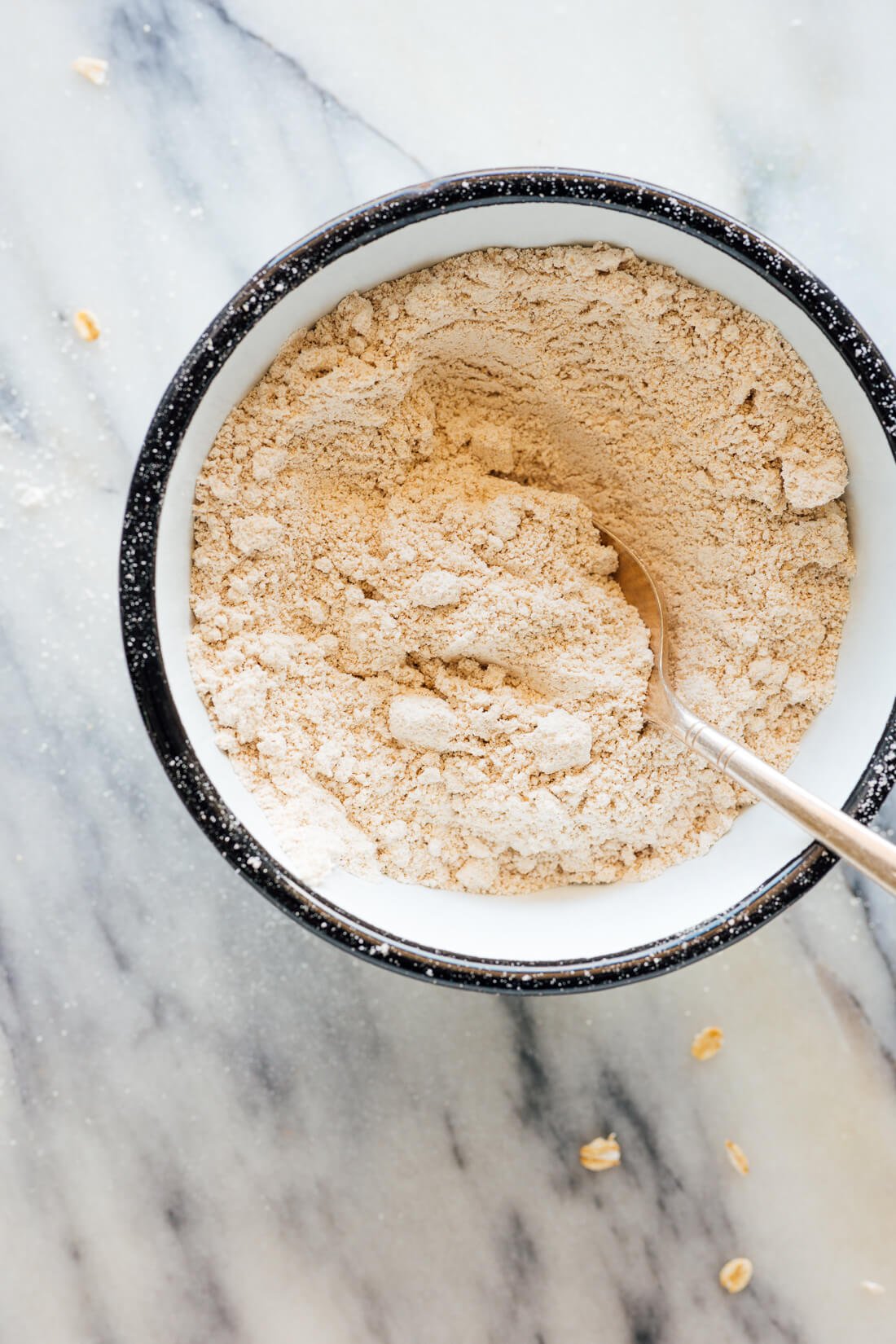
Is Oat Flour Healthy? Unveiling the Benefits & Crafting Your Own
In today's health-conscious kitchens, oat flour has emerged as a beloved gluten-free and whole-grain alternative, lauded for its versatility and nutritional profile. But beyond its widespread use in baking, many wonder: *is oat flour truly healthy?* The answer is a resounding yes, provided you choose the right oats and understand its unique properties. Furthermore, discovering homemade oat flour: make gluten-free flour in minutes is a game-changer, allowing you to easily prepare this pantry staple from scratch. This article will delve into the health benefits of oat flour, guide you through the simple process of making your own, and answer your most pressing questions to empower your culinary adventures. Oat flour is simply the pulverized form of whole grain oats, transforming humble rolled oats into a fine, powdery substance ideal for everything from fluffy pancakes to robust breads. What makes it particularly appealing is the incredible ease of preparation at home, requiring just one ingredient and a common kitchen appliance. Forget store-bought versions – with a blender or food processor, you can have fresh, nutrient-rich oat flour ready in minutes, saving money and ensuring peak freshness.What Makes Oat Flour a Stellar Healthy Choice?
The healthfulness of oat flour directly mirrors the quality of the oats it's made from. For optimal nutrition, always opt for whole rolled oats (also known as old-fashioned oats) and steer clear of quick or instant oats, which are often more processed and may lose some nutritional integrity. When crafted from quality oats, this flour offers a powerhouse of benefits:- Naturally Gluten-Free: While oats themselves are naturally gluten-free, it's crucial for individuals with Celiac disease or gluten sensitivity to use certified gluten-free oats. This ensures they haven't been cross-contaminated with wheat, barley, or rye during processing.
- Whole-Grain Goodness: Oat flour is a true whole grain, meaning it contains all three parts of the oat kernel – the bran, germ, and endosperm. This provides a fuller spectrum of nutrients compared to refined flours, which strip away the most nutrient-dense components.
- Rich in Soluble Fiber (Beta-Glucan): One of the standout features of oats is their high content of beta-glucan, a powerful soluble fiber. Beta-glucan is known for its impressive health benefits, including:
- Heart Health: It helps lower LDL (bad) cholesterol levels by increasing the excretion of cholesterol-rich bile.
- Blood Sugar Control: It can slow down the digestion and absorption of carbohydrates, leading to more stable blood sugar levels.
- Satiety: Beta-glucan forms a gel-like substance in the gut, promoting a feeling of fullness and potentially aiding in weight management.
- Abundant in Vitamins & Minerals: Oat flour is a good source of essential micronutrients, including Manganese (vital for bone health and metabolism), Phosphorus (important for energy production), Magnesium (supports muscle and nerve function), B vitamins (for energy), Iron (oxygen transport), and Zinc (immune function).
- Packed with Antioxidants: Oats contain unique antioxidants called avenanthramides, which have anti-inflammatory properties and may help protect against heart disease.
- Digestibility: Due to its fiber content and gentle nature, many people find oat flour easier to digest compared to some other grain flours.
Your Guide to Making Homemade Oat Flour
Learning DIY oat flour: making, storing, & using this pantry staple is incredibly simple and offers several advantages over store-bought versions. You gain control over the quality of your ingredients, ensure maximum freshness, and often save money.What You'll Need:
- Rolled Oats (Old-Fashioned Oats): These are the best choice for homemade oat flour due to their texture and minimal processing. Ensure they are certified gluten-free if necessary.
- High-Speed Blender, Food Processor, or Spice Grinder: Any of these appliances will work effectively. A high-speed blender typically yields the finest flour.
- Airtight Container: For storage.
- Optional: Fine-mesh sieve for ultra-fine flour.
Step-by-Step Instructions for How to Make Oat Flour:
- Measure Your Oats: Start with the desired amount of rolled oats. As a general rule, one cup of rolled oats yields approximately one cup of oat flour, often just slightly less. For precise baking, it's always best to measure your flour *after* grinding.
- Add to Appliance: Pour the rolled oats into your chosen blender, food processor, or spice grinder. Avoid overfilling, especially if using a smaller device, as this can lead to uneven grinding.
- Blend Until Fine: Secure the lid and begin blending.
- For Blenders/Food Processors: Start on a low speed, then increase to high. You'll likely need to stop the machine occasionally, give the container a gentle shake or jiggle, and scrape down the sides with a spatula to ensure all oats are evenly processed. Continue blending until you achieve a fine, consistent powder.
- For Spice Grinders: You may need to work in smaller batches. Pulse and grind until smooth, shaking the grinder gently between pulses.
- Sieve (Optional for Extra Fine Flour): If your recipe calls for very fine flour, or if you notice larger bits remaining, pour the ground oats through a fine-mesh sieve into a bowl. Any coarse pieces that remain in the sieve can be returned to the blender/grinder and blitzed again until fully pulverized.
- Transfer and Use/Store: Once you have a uniform, powdery flour, it’s ready to use immediately in your recipes or transfer to an airtight container for later.
Pro-Tips for Perfect Homemade Oat Flour:
- Ensure Oats are Dry: Any moisture can cause the oats to clump and result in a less fine flour.
- Don't Over-Process Continuously: While you want a fine powder, continuous blending for too long without breaks, especially in a blender, can sometimes warm the flour. This isn't usually an issue for short bursts but is good to keep in mind.
- Clean Your Equipment: Make sure your blender or food processor is clean and completely dry before grinding.
- Consistency is Key: For best results in baking, aim for a flour texture similar to whole wheat flour – fine, but with a slight texture that sets it apart from ultra-refined white flour.
Storing Your Homemade Oat Flour for Longevity
Proper storage is key to maintaining the freshness and nutritional integrity of your homemade oat flour. Since oats contain natural oils, they can eventually go rancid if not stored correctly, just like any whole grain product.To maximize the shelf life of your freshly ground oat flour:
- Airtight Container: Always store your oat flour in an airtight container. Glass jars with tight-fitting lids are an excellent choice as they prevent air and moisture exposure.
- Cool, Dry, Dark Place: A pantry or cupboard that is away from direct sunlight, heat, and humidity is ideal. Heat and light can accelerate the degradation of the oils in the oats.
- Shelf Life: Stored correctly in a pantry, homemade oat flour typically maintains its freshness for approximately 3-4 months.
- Refrigeration for Extended Life: For longer storage, especially in warmer climates or if you've made a large batch, consider refrigerating your oat flour. In the refrigerator, it can last up to 6 months.
- Freezing for Maximum Freshness: The freezer is your best friend for long-term storage, extending the shelf life to up to one year. Just be sure to bring it to room temperature before using in recipes.
- Check for Freshness: Before using, always give your oat flour a quick smell test. Fresh oat flour has a mild, earthy aroma. If it smells sour, bitter, or like old crayons, it's likely gone rancid and should be discarded.
Common Questions About Oat Flour Answered
Understanding the nuances of oat flour can elevate your cooking and baking experience. Here are some frequently asked questions (FAQs) to help you navigate its uses and properties:Is Oat Flour Gluten-Free?
Yes, oats are naturally gluten-free. However, due to agricultural practices and processing methods, oats can often be cross-contaminated with gluten-containing grains like wheat, barley, and rye. Therefore, if you have Celiac disease or a severe gluten sensitivity, it is essential to purchase and use oats explicitly labeled as "certified gluten-free." When you make your own, ensure your chosen rolled oats carry this certification.What is the Oat to Oat Flour Conversion?
A general rule of thumb is that 1 cup of whole rolled oats yields approximately 1 cup of oat flour, usually just slightly less. For precise measurements in baking, it's always best to measure your oats first, then grind them, and finally measure the resulting flour to ensure you have the exact amount called for in your recipe. While steel-cut oats can technically be ground into flour, they are denser and will yield more flour per cup (around 2 cups of flour from 1 cup of steel-cut oats). However, they also take longer to grind and may not produce as fine a texture, making rolled oats the preferred choice for most baking applications.Can I Substitute Oat Flour 1:1 for Wheat Flour?
Generally, no. Oat flour has a different texture, absorbency, and protein structure compared to wheat flour. It absorbs more liquid and lacks the gluten structure that provides elasticity and rise in traditional baked goods. Substituting 1:1 for wheat flour can result in dense, crumbly, or overly moist baked goods.When substituting, it's typically recommended to:
- Use a smaller amount: Start by using about 20-30% less oat flour than the amount of wheat flour specified in a recipe.
- Combine with other flours: For best results, especially in complex baked goods like breads, oat flour is often best used in combination with other gluten-free flours (e.g., almond, tapioca, rice flour) or traditional flours (if not strictly gluten-free).
- Follow specific recipes: The most reliable way to use oat flour successfully is to follow recipes specifically developed for it.
What Can I Use Oat Flour For?
Oat flour's mild, slightly sweet flavor and soft texture make it incredibly versatile. It imparts a delightful chewiness and wholesome taste to a wide array of dishes. Some popular uses include:- Baked Goods: Muffins, cookies, pancakes, waffles, quick breads, cakes, and even certain types of yeast breads.
- Thickening Agent: Use it to thicken soups, stews, gravies, and sauces, similar to how you would use wheat flour or cornstarch.
- Smoothies: Add a tablespoon or two to boost fiber and nutrition, and create a thicker texture.
- Coatings: Perfect for dredging chicken, fish, or vegetables before frying or baking.
- Savory Dishes: It can act as a binder in meatloaf, meatballs, or veggie burgers.
